
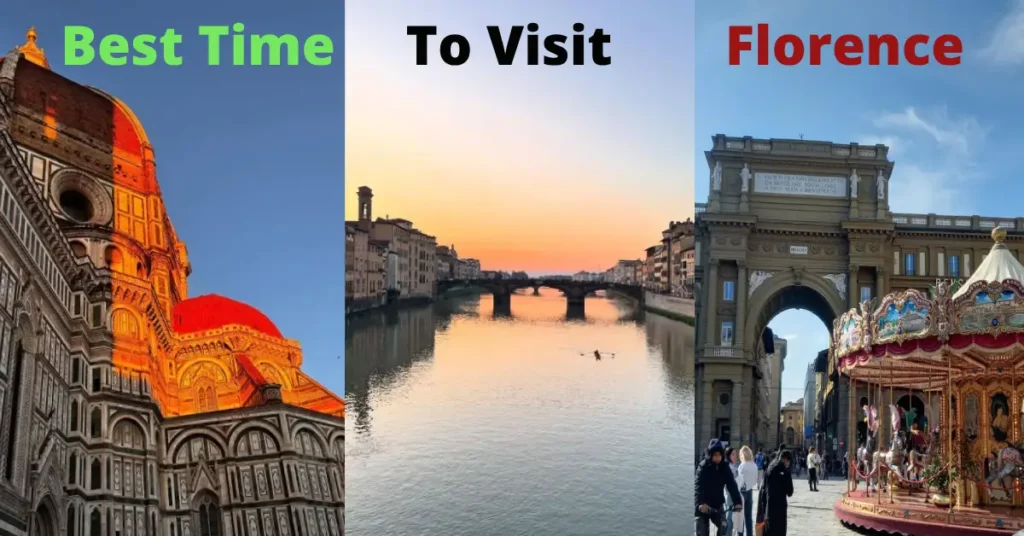
The best time to visit Florence is during the spring (April to May) and early autumn (September to October), when the city offers the most favorable combination of weather, crowd levels, and sightseeing conditions. Temperatures typically range from 15°C to 25°C (59°F to 77°F), making it comfortable to explore Florence’s historic streets, Renaissance landmarks, and outdoor viewpoints without the intense summer heat. These shoulder-season months also bring shorter queues at major attractions such as the Florence Duomo and Uffizi Gallery, while hotel prices are often lower than during the peak travel period of July and August. Although summer attracts the largest number of visitors and winter offers the lowest accommodation rates, spring and early autumn consistently provide the best overall experience for museum visits, photography, walking tours, and day trips throughout Tuscany. The ideal time ultimately depends on whether your priority is pleasant weather, fewer crowds, seasonal events, or budget-friendly travel.
What is the Best Time to Visit Florence, Italy?
The best time to visit Florence is during late fall or early spring when the weather is pleasant with less crowd. According to Lonely Planet, spring is often described as the best season to visit Florence, with improving weather and longer days following the typically gloomy winter. In contrast, the peak summer months can be overcrowded and expensive.
A study conducted by MagentaFlorence found that tourismin Florence grew by 35% in the summer of 2022 compared to the first five months of that year, which had more than 2.2 million arrivals. Visiting during the shoulder seasons allows for exploration of the city’s landmarks without long lines and inflated prices. The weather is mild, with blooming flowers in spring and golden hues in fall enhancing the city’s charm.
Florence experiences four distinct seasons, each offering a unique experience for visitors. From the blooming spring to the festive winter, the city transforms with the changing seasons. Understanding the weather, crowd levels, and key events during each season will help you plan your trip accordingly.
1: Spring (March through May)
Spring is one of the best times to visit Florence. The weather is ideal for sightseeing, with temperatures ranging from 10°C to 20°C (50°F to 68°F). The city comes alive with blooming flowers and outdoor festivals, making it a perfect time to explore its iconic landmarks. Crowds are moderate, especially in early spring, but they start to increase as the season progresses.

Recommended Experiences:
- Visit the Boboli Gardens to enjoy the spring blooms.
- Explore the Uffizi Gallery without the summer crowds.
- Stroll through the Ponte Vecchio and enjoy the pleasant weather.
2: Summer (June through August)
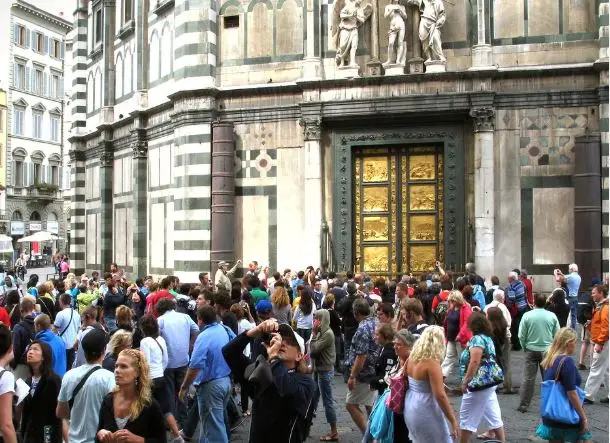
Summer in Florence is hot and crowded. Temperatures often exceed 30°C (86°F), and the city is packed with tourists. While the clear skies and long days are perfect for outdoor activities, the high prices and large crowds can be overwhelming. Many locals leave the city for vacation, and some businesses may close during August.
Recommended Experiences:
- Visit the Duomo early in the morning to avoid the heat and crowds.
- Enjoy gelato in Piazza della Signoria during the evening.
- Take a sunset walk along the Arno River.
3: Autumn (September through November)
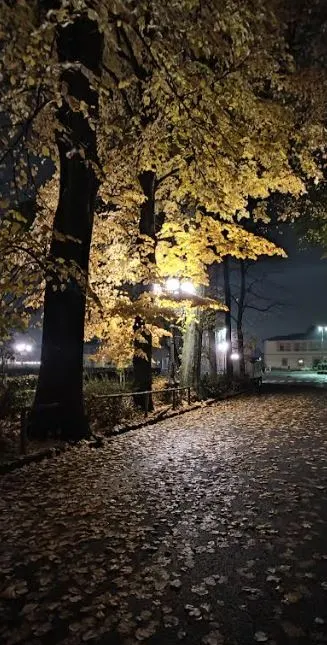
Autumn is another excellent time to visit Florence. The weather is cool and comfortable, with temperatures ranging from 12°C to 25°C (54°F to 77°F). The autumn foliage adds a magical touch to the city, and the crowds begin to thin out, especially in November. This is also the season for harvest festivals and seasonal markets, making it a great time for food lovers.
Recommended Experiences:
- Visit nearby wineries and participate in harvest festivals.
- Explore seasonal markets and enjoy local delicacies like truffles and chestnuts.
- Take a walking tour of Florence’s neighborhoods to admire the fall colors.
4: Winter (December through February)
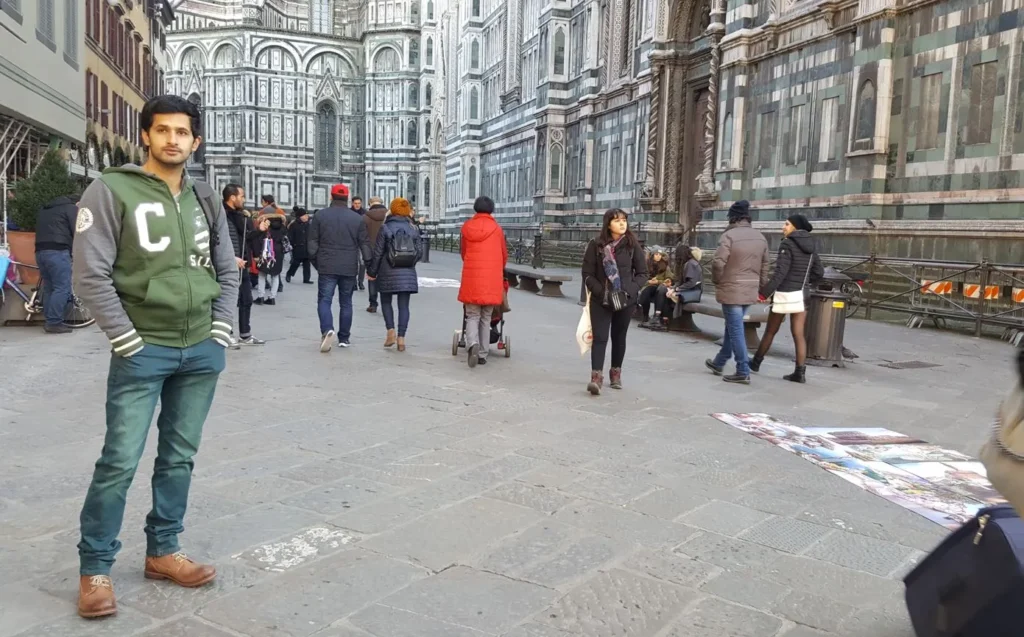
Winter is the off-season in Florence, making it an ideal time for budget travelers. The weather is cold, with temperatures ranging from 3°C to 12°C (37°F to 54°F), and there’s a chance of rain or snow. However, the lower crowds and discounted accommodation make it a great time to explore the city’s museums and galleries. The festive ambiance during December, with Christmas markets and light displays, adds to the charm.
Recommended Experiences:
- Visit the Christmas markets and enjoy the festive decorations.
- Explore quieter museums like the Uffizi Gallery and Accademia Gallery.
- Celebrate New Year’s Eve in Piazza del Duomo.
What are the Tourist Seasons In Italy?
The 3 main tourit seasons in Italy are discussed below.
High Season (Mid-May to July, September)
The high season in Florence runs from mid-May through July and returns in September, bringing the city’s warmest weather, longest daylight hours, and highest visitor numbers. During this period, temperatures frequently range between 25°C and 35°C (77°F to 95°F), creating ideal conditions for exploring outdoor landmarks such as Piazzale Michelangelo, Ponte Vecchio, Piazza della Signoria, and the historic center.
The surrounding Tuscan countryside is equally attractive, making it an excellent time for day trips to Chianti, Siena, and San Gimignano. However, the popularity of Florence during these months means that hotel rates and airfares typically reach their highest levels, while major attractions such as the Uffizi Gallery, Accademia Gallery, and Florence Duomo often experience long queues. Travelers who prioritize sunny weather, vibrant city life, and outdoor experiences generally find the high season worth the additional cost and crowds.
Shoulder Season (March to Mid-May, October, and November)
The shoulder season, which includes March through mid-May and October through November, is widely considered the best time to visit Florence. During these months, visitors benefit from a balance of comfortable temperatures, manageable crowds, and favorable travel costs. Spring brings blooming gardens, colorful landscapes, and pleasant conditions for exploring attractions such as the Boboli Gardens, Rose Garden, and Oltrarno district, while autumn offers beautiful seasonal colors throughout Florence and Tuscany. Tourist numbers remain significantly lower than in summer, resulting in shorter waits at major landmarks and museums.
The shoulder season is also ideal for day trips to destinations such as Fiesole, Chianti, Val d’Orcia, and Monteriggioni, where travelers can enjoy Tuscany’s scenery without the intense summer heat. For most visitors seeking the best overall experience, the shoulder season delivers the perfect combination of weather, sightseeing opportunities, and value.
Low Season (August, December to February)
Florence’s low season typically occurs during winter from December through February, although August also experiences a unique slowdown as many Italians leave the city for vacation. Winter temperatures remain relatively mild compared to many European destinations, but visitors should expect cooler weather, occasional rain, and periods of fog. The biggest advantage of the low season is the significant reduction in tourist crowds, making it easier to explore world-famous attractions such as the Uffizi Gallery, Accademia Gallery, Palazzo Pitti, and Florence Cathedral without lengthy waiting times.
Accommodation and airfare prices are generally lower, making this the most budget-friendly time to visit Florence. December adds festive charm through Christmas markets, seasonal lights, and holiday celebrations around Piazza del Duomo, Santa Croce, and Piazza della Repubblica. Travelers interested in art, culture, and lower travel costs often find the low season particularly rewarding despite the less predictable weather conditions.
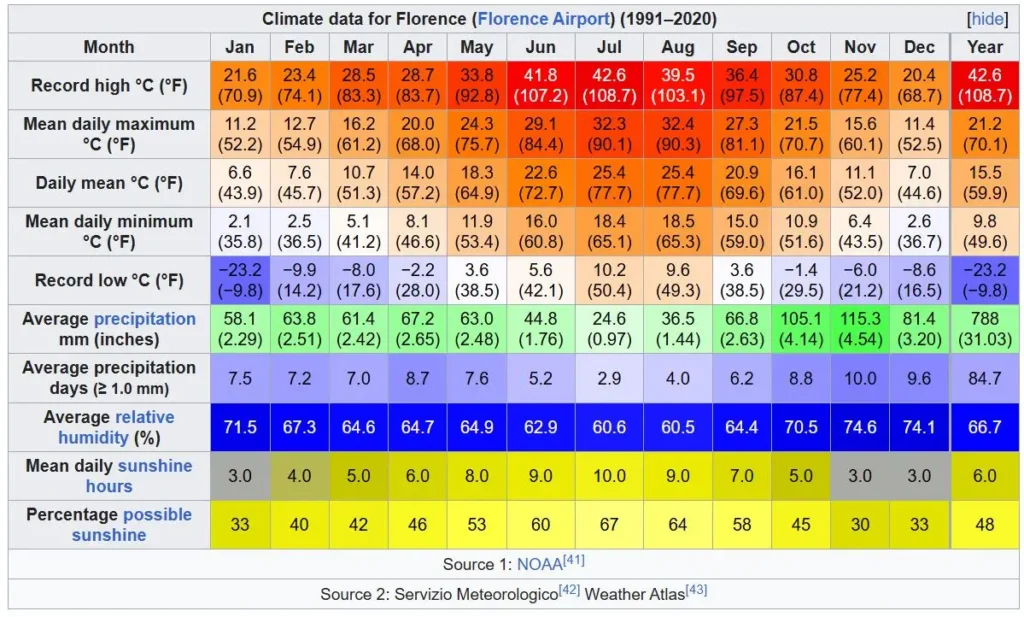
How is the Weather in Florence Throughout the Year?
The chart below shows the average temperature in Florence throughout the year.
Florence in January
Weather: January is one of the coldest months in Florence, with temperatures typically ranging from 2°C to 11°C (36°F to 52°F). Rain is possible, and occasional frost can occur in the early mornings.
Crowds: This is part of Florence’s low tourist season, making it one of the best months to explore major attractions without long lines.
Events: While there are no major festivals, Christmas decorations often remain until Epiphany on January 6th.
Best Places to Visit: January is ideal for spending time indoors at Florence’s world-renowned museums. Visit the Uffizi Gallery, Accademia Gallery, and Museo dell’Opera del Duomo without the crowds of spring and summer. It’s also an excellent time to explore Palazzo Pitti and admire Renaissance masterpieces at a leisurely pace.
Florence in February
Weather: Temperatures remain cool, though conditions begin to improve slightly toward the end of the month.
Crowds: Florence remains relatively quiet, offering a relaxed sightseeing experience.
Events: The colorful Florence Carnival (Carnevale di Firenze) brings costume parades and festive celebrations to the city.
Best Places to Visit: Explore the historic center, including Piazza della Signoria, Ponte Vecchio, and Florence Cathedral (Duomo). February is also a great month to take day trips to Pisa and Lucca, where lower visitor numbers make sightseeing more enjoyable.
Florence in March
Weather: Spring begins to emerge, with temperatures gradually warming and flowers starting to bloom across the city.
Crowds: Visitor numbers begin increasing, especially toward the end of the month.
Events: On March 8th, Festa della Donna (International Women’s Day) offers free museum entry for women at participating cultural sites.
Best Places to Visit: March marks the return of outdoor sightseeing. Stroll through the Boboli Gardens, enjoy views from Piazzale Michelangelo, and walk through the artisan district of Oltrarno. Nearby destinations such as Fiesole also become more appealing as temperatures rise.
Florence in April
Weather: Mild temperatures, blooming gardens, and relatively dry conditions make April one of the most pleasant months to visit Florence.
Crowds: Moderate to high, particularly during Easter week.
Events: Easter celebrations feature the famous Scoppio del Carro (Explosion of the Cart) in Piazza del Duomo.
Best Places to Visit: April is perfect for exploring Florence Cathedral, climbing Giotto’s Bell Tower, and walking through the historic center. Outside Florence, consider visiting Chianti’s vineyards, San Gimignano, or the rolling Tuscan countryside while spring landscapes are at their most vibrant.
Florence in May
Weather: Warm, sunny days and blooming gardens create ideal sightseeing conditions.
Crowds: High, as many travelers consider May one of the best months to visit Florence.
Events: The prestigious Maggio Musicale Fiorentino opera and music festival takes place throughout the month.
Best Places to Visit: Enjoy panoramic views from Piazzale Michelangelo, cross the historic Ponte Vecchio, and visit Rose Garden (Giardino delle Rose) below the viewpoint. May is also an excellent time for day trips to Siena, Monteriggioni, and Val d’Orcia.
Florence in June
Weather: Temperatures become warmer, with long daylight hours and relatively low rainfall.
Crowds: Summer tourism begins to accelerate.
Events: Florence celebrates The Feast of St. John (June 24th) with historic parades, cultural events, and fireworks.
Best Places to Visit: Spend mornings exploring the Duomo Complex, Uffizi Gallery, and Palazzo Vecchio before the afternoon heat arrives. Evenings are ideal for walking along the Arno River or dining in Piazza Santo Spirito. Nearby wine regions such as Chianti Classico are especially beautiful in June.
Florence in July
Weather: July is hot and dry, with temperatures often reaching 32°C to 38°C (90°F to 100°F).
Crowds: Peak tourist season brings long lines at major attractions.
Events: Outdoor concerts and cultural performances take place throughout the city.
Best Places to Visit: Focus on indoor attractions such as the Uffizi Gallery, Accademia Gallery, and Palazzo Pitti during the hottest hours. Early morning visits to Florence Cathedral and sunset views from Piazzale Michelangelo help avoid the midday heat. Many visitors also combine Florence with excursions to cooler Tuscan hill towns such as San Gimignano and Volterra.
Florence in August
Weather: August is typically Florence’s hottest month.
Crowds: Despite some locals leaving for vacation, international tourism remains high.
Events: Ferragosto (August 15th) is one of Italy’s most important public holidays.
Best Places to Visit: Spend mornings in museums and evenings exploring outdoor attractions. Enjoy sunset at Piazzale Michelangelo, wander through Boboli Gardens, and explore less-crowded cultural sites such as Bargello Museum. August is also suitable for visiting Tuscan wineries and nearby countryside estates.
Florence in September
Weather: Temperatures become more comfortable while maintaining plenty of sunshine.
Crowds: Busy but noticeably less crowded than July and August.
Events: The Rificolona Festival on September 7th fills the streets with lantern processions and local traditions.
Best Places to Visit: September is one of the best months for exploring both Florence and Tuscany. Visit Florence Cathedral, Uffizi Gallery, and Piazza della Signoria, then venture into Chianti, Montalcino, or Montepulciano during the grape harvest season. Wine lovers will find this one of the most rewarding times to visit Tuscany.
Florence in October
Weather: Mild temperatures and colorful autumn scenery create ideal conditions for sightseeing.
Crowds: Moderate, especially after the summer rush subsides.
Events: Seasonal markets and harvest celebrations take place throughout Tuscany.
Best Places to Visit: October is perfect for walking tours through Florence’s historic neighborhoods, including Santa Croce, Oltrarno, and San Lorenzo. Day trips to Siena, San Gimignano, and the Val d’Orcia region showcase Tuscany’s stunning autumn landscapes.
Florence in November
Weather: Cooler temperatures and increased rainfall characterize late autumn.
Crowds: Low season begins, resulting in quieter museums and attractions.
Events: All Saints’ Day (November 1st) and regional food festivals celebrating mushrooms, truffles, and chestnuts.
Best Places to Visit: November is excellent for art and culture enthusiasts. Explore the Accademia Gallery, Uffizi Gallery, and Florence Cathedral with significantly fewer visitors. Food lovers can also explore nearby Tuscan villages hosting seasonal food festivals.
Florence in December
Weather: Cool temperatures and occasional rain create a festive winter atmosphere.
Crowds: Moderate early in the month, increasing significantly around Christmas and New Year’s Eve.
Events: Christmas markets, seasonal concerts, nativity displays, and New Year’s celebrations transform the city center.
Best Places to Visit: Visit the festive areas surrounding Piazza del Duomo, Santa Croce, and Piazza della Repubblica, where holiday lights and Christmas markets create a magical atmosphere. December is also an excellent time to visit museums, enjoy Tuscan cuisine, and take winter day trips to nearby destinations such as Pisa, Lucca, and Siena decorated for the holiday season.
What Are the Top Attractions to Visit in Florence?
The top attractions to visit in Florence are mentioned below.
- Duomo: The iconic cathedral with its stunning dome designed by Brunelleschi.
- Uffizi Gallery: One of the most famous art museums in the world, housing works by Botticelli, Michelangelo, and Leonardo da Vinci.
- David Statue: Michelangelo’s masterpiece, located in the Accademia Gallery.
- Ponte Vecchio: The historic bridge lined with shops and offering beautiful views of the Arno River.
- Piazzale Michelangelo: A square offering panoramic views of Florence.
- Boboli Gardens: A sprawling Renaissance garden with fountains, sculptures, and walking paths.
- Santa Croce: A Gothic church known for its frescoes and the tombs of famous Italians like Michelangelo and Galileo.
What is the best time to visit Florence for sightseeing?
The best time for sightseeing in Florence is during spring (March to May) and fall (September to November). The weather is pleasant, and the crowds are manageable, allowing you to explore the city’s iconic landmarks without the hassle.
What are the ideal months to visit Florence for budget travelers?
For budget travelers, the best time to visit Florence is during the winter months (January and February). Accommodation prices are lower, and the crowds are minimal, making it an affordable time to explore the city.
What is the best time to visit Florence for culture and art lovers?
Culture and art lovers should visit Florence during spring and fall. The comfortable weather and fewer crowds make it easier to explore the city’s museums, galleries, and cultural events.
When is the high season in Florence?
The high season in Florence is from mid-May to July and September.
When is the low season in Florence?
The low seasons in Florence is from December to February.
When is the Florence less crowded?
Florence is less crowded during the winter season and in August when local Italians leave the city and go on vacations.
Which is the cheapest month to visit Florence?
The cheapest month to visit Florence is January when the hotel prices are lower compared to high season.
Is March a good time to visit Florence?
Yes, March is a good time to visit Florence. The weather is warming up, and the crowds are still manageable, especially early in the month. It’s also a great time to enjoy outdoor attractions like Boboli Gardens.
In which month is the weather pleasant in Florence?
The weather is pleasant in Florence during spring and autumn months.
Is Florence overcrowded in June?
Yes, Florence can be overcrowded in June, especially in the start of the summer season. It’s a popular month for tourism due to the warm weather and events like the Feast of St. John.
What are the hottest months in Florence?
The hottest months in Florence are July and August as multiple heat waves from Africa affect the Tuscan region.
Which is the coldest month in Florence?
The coldest month in Florence is January with night temperatures dropping below zero degrees.
What to do in Florence in Summer?
You can visit top attractions like Uffizi Gallery, Duomo, Accademia Gallery, or Piazza Michelangelo in Florence during summer months.
What to do in Florence in Winter?
You can famous tourist sites like Boboli Gardens, Pitti Palace, or eat famous winter dishes in Florence in winter months.
Is November a good time to visit Florence?
Yes, November is a good time to visit Florence. The crowds are low, and the autumn foliage adds a beautiful touch to the city. It’s also a great time for art lovers to visit quieter museums.
What is the rainy season in Florence, Italy?
The rainy season in Florence typically occurs in late autumn (October and November) and early spring (March and April).
What time of the year are hotels cheap in Florence?
Hotels are generally cheaper in winter months (January and February), as it’s the off-season with fewer tourists.
What is the best time to visit Florence with the kids?
The best time to visit Florence with kids is spring or autumn when the weather is pleasant.