
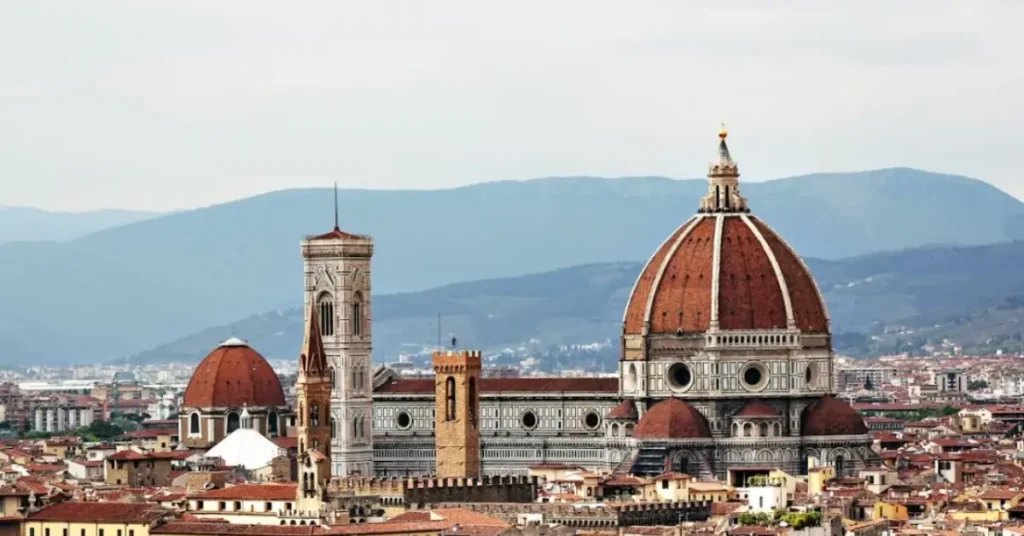
The best things to buy in Florence, Italy are leather goods, gold jewelry from Ponte Vecchio, hand-marbled paper, hand-painted ceramics, perfume from Santa Maria Novella, regional food and wine, art supplies, and Italian fashion from local boutiques. Florence has been a global craft capital for over 600 years, and the city’s leather workshops, goldsmith traditions, paper marblers, and family-run perfumeries still produce some of the finest goods in Europe. Whether you have €20 or €2,000 to spend, Florence delivers authentic Italian craftsmanship in every category, far beyond the souvenir-shop trinkets that line tourist routes.
What are the Best Things to Buy in Florence, Italy?
1. Leather Goods — Florence’s Most Famous Buy
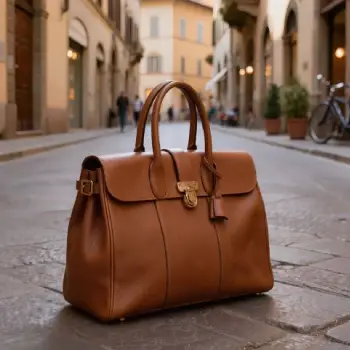
Florentine leather is the most famous craft purchase in Florence, and it remains the city’s signature export after more than 600 years of leatherworking tradition. The city trains its craftsmen at the Scuola del Cuoio, the Santa Croce Leather School, which sits inside a historic Franciscan monastery beside the Basilica of Santa Croce. The school still teaches the same hand-stitching, edge-finishing, and vegetable-tanning techniques that built Florence’s reputation in the Renaissance, and many of the leather artisans selling in the city today were trained there.
How to spot genuine Florentine leather: Real Florentine leather carries a natural, earthy smell from vegetable tanning, feels soft and slightly textured to the touch, and shows minor color variations or uneven edges that prove it came from a real animal hide. Mass-produced fake leather smells synthetic or chemical, feels uniformly smooth and rubbery, and has perfectly identical surfaces because it is pressed from polyurethane sheets.
What to buy: Handbags, wallets, belts, jackets, gloves, and journal covers are the standout items. Prices for a genuine leather handbag start at around €80 to €120 for smaller pieces and climb to €400 or more for fully hand-stitched designer bags. A quality leather wallet runs €30 to €80, and a hand-cut belt costs €40 to €70.
Where to shop: The Scuola del Cuoio shop itself sits inside the Santa Croce monastery and sells directly from the workshop. The San Lorenzo Market area carries a wide range of leather stalls, though quality varies and bargaining is expected. For the highest-end pieces, family-run boutiques in the Oltrarno district (across the Arno River) offer custom-made bags and jackets from artisans who train apprentices the traditional way.
2. Gold Jewelry From Ponte Vecchio
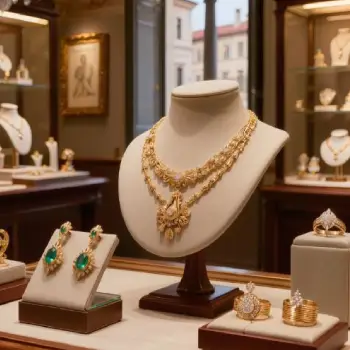
Gold jewelry from Ponte Vecchio is Florence’s second-most iconic purchase, and it carries over 430 years of unbroken goldsmithing tradition since Ferdinand I de’ Medici designated the bridge for jewelers in 1593. Goldsmiths still operate from the original wooden shop-fronts that line both sides of the bridge, and every piece sold here is handcrafted by certified Italian artisans rather than mass-produced overseas. Buying gold on Ponte Vecchio means owning a piece of Florentine history alongside a wearable luxury item.
What to buy: Rings, bracelets, necklaces, and earrings.
Where to buy: Any certified goldsmith shop on Ponte Vecchio.
Price range: €100 for small pieces. €500–€2,000+ for fine jewelry.
Gift tip: Gold jewelry from Ponte Vecchio is one of the most meaningful gifts you bring back from Florence. It carries history and craftsmanship in every piece.
3. Florentine Marbled Paper & Stationery
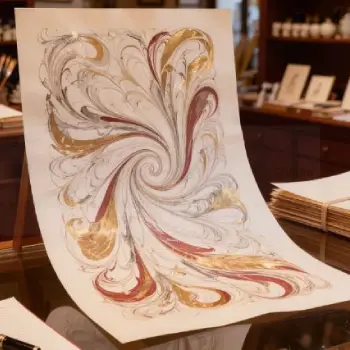
Florentine marbled paper uses the Ebru technique. Craftsmen float pigments on water and transfer the swirling pattern onto paper. No two sheets look the same.
This craft dates back centuries. Florence kept it alive while most of Europe forgot it. Today, small shops in the Oltrarno district still make it by hand.
What to buy: Notebooks, bookmarks, gift wrap, photo albums, and desk accessories.
Where to buy: Oltrarno district. Look for shops displaying the paper-making process.
Price range: €5 for bookmarks. €20–€80 for notebooks and albums.
Portability tip: Paper goods are light, flat, and easy to pack. They make perfect gifts for people back home.
4. Hand-Painted Ceramics
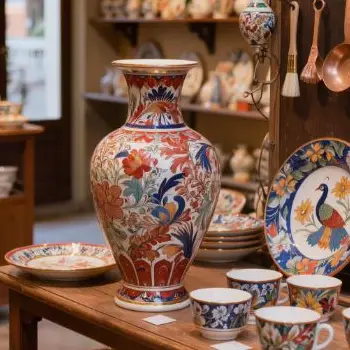
Florentine ceramics carry bold colors and intricate hand-painted designs. Each piece is unique. Mass-produced versions exist — but a trained eye spots the difference fast.
Authentic ceramics feel heavier. The paint has slight texture variations. Factory pieces look too perfect and feel hollow when tapped.
What to buy: Plates, bowls, mugs, tiles, and decorative pieces.
Where to buy: Artisan shops in Oltrarno and San Lorenzo Market.
Price range: €15 for small pieces. €50–€200 for larger decorative items.
Packing tip: Ask the shop to wrap pieces in bubble wrap. Declare fragile items at the airline check-in for safer handling.
5. Perfume From Santa Maria Novella
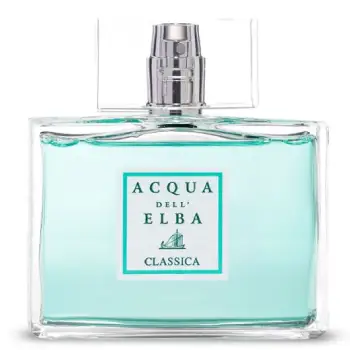
Santa Maria Novella is the world’s oldest pharmacy. Dominican friars founded it in 1221. Today it sells perfumes, skincare, and herbal products made from original recipes.
This is not a commercial fragrance brand. It is a piece of Florentine history in a bottle. The flagship store near the Santa Maria Novella church is worth visiting on its own.
What to buy: Signature perfumes, rose water, soaps, and creams.
Where to buy: The official Santa Maria Novella store on Via della Scala.
Price range: €30 for soaps and small items. €80–€150 for full perfume bottles.
Gift tip: Santa Maria Novella packaging is elegant. It arrives gift-ready straight from the shelf.
6. Local Food & Edible Souvenirs
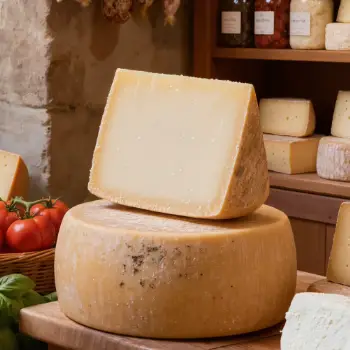
Food souvenirs from Florence travel well and taste exceptional. The region produces some of Italy’s finest olive oils, wines, and specialty foods.
DOP and IGP certifications matter here. DOP means the product comes from a specific region and follows strict production rules. IGP signals protected geographic origin. Both marks guarantee quality.
What to buy:
- Olive oil — Extra virgin, DOP certified from Tuscany
- Biscotti — Hard almond cookies made for dipping in wine
- Vin Santo — Tuscan dessert wine
- Truffle products — Truffle oil, paste, and salt
- Cantucci — Traditional Florentine almond biscuits
Where to buy: Mercato Centrale is the best single stop. It holds dozens of local food vendors under one roof.
Price range: €5 for biscotti packs. €15–€50 for quality olive oil and wine.
Customs tip: Check your country’s rules for liquids and food imports before packing. Sealed, commercially packaged items pass through most customs without issues.
7. Art & Art Supplies
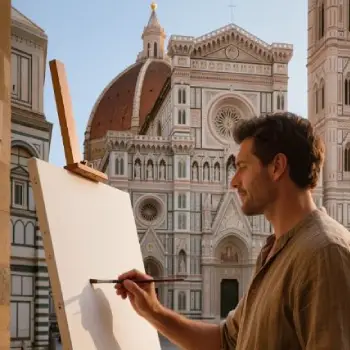
Florence gave the world the Renaissance. Its streets still carry that creative energy. Local artists sell original prints, paintings, and drawings near the Uffizi and in Oltrarno galleries.
Art supply shops near the Accademia and Uffizi stock professional-grade materials. Florence uses these shops to train its art students — the quality is high.
What to buy: Original prints, watercolor paintings, sketchbooks, professional pigments, and brushes.
Where to buy: Oltrarno galleries for originals. Art supply shops near Piazza della Repubblica for materials.
Price range: €10–€30 for prints. €50–€500+ for original works.
Tip: Buy directly from the artist when possible. It costs less and the piece holds more personal value.
8. Fashion & Clothing
Florence sits at the center of Italian fashion history. Gucci started here. Ferragamo built its empire here. The city still produces high-quality Italian-made garments across all price points.
Look for the “Made in Italy” label on every piece. Not all clothing sold in Florence is Italian-made. Fast fashion imports fill tourist-facing shops near major landmarks.
What to buy: Silk scarves, wool coats, tailored shirts, and leather shoes.
Where to buy: Via Tornabuoni for luxury. Oltrarno boutiques for independent Italian designers.
Price range: €40 for scarves. €150–€600+ for tailored pieces.
Tip: Oltrarno boutiques offer better value than Via Tornabuoni for unique, locally made fashion.
Where to Shop in Florence, Italy?
Florence divides naturally into shopping zones. Each zone serves a different buyer.
Via Tornabuoni Florence’s luxury mile. Home to Gucci, Prada, Ferragamo, and Versace flagship stores. Best for premium fashion and accessories.
Oltrarno District The artisan heart of Florence. Independent craftsmen, leather workers, jewelers, and paper makers fill this neighborhood. Best for authentic, locally made goods.
San Lorenzo Market Florence’s largest open-air market. Stalls sell leather goods, clothing, ceramics, and souvenirs. Best for budget shopping — but watch for mass-produced items.
Mercato Centrale A covered food market near San Lorenzo. Two floors of local produce, meats, cheeses, wines, and prepared foods. Best for food souvenirs.
Ponte Vecchio The historic gold jewelry bridge. Every shop here sells handcrafted pieces. Best for fine jewelry and keepsakes.
What are the Best Shops & Stores in Florence?
The best shops and stores in Florence are summarized in the table below.
| Shop | Specialty | Location |
|---|---|---|
| Scuola del Cuoio | Authentic leather goods | Santa Croce |
| Santa Maria Novella | Perfume & skincare | Via della Scala |
| Mercato Centrale | Local food products | San Lorenzo area |
| Ponte Vecchio shops | Gold jewelry | Ponte Vecchio |
| Oltrarno boutiques | Artisan fashion & crafts | South of Arno river |
What are the Luxury & Designer Shopping in Florence?
uxury & Designer Shopping in Florence can be done in Via Tornabuoni. It holds the flagship stores of Italy’s most powerful fashion houses.
Key stores to shop at in Via Tornabuoni include:
- Gucci — Founded in Florence in 1921
- Salvatore Ferragamo — Headquartered in Florence
- Prada — Milan brand with strong Florence presence
- Versace, Bulgari, Burberry — All present on the strip
Non-EU shoppers qualify for VAT refunds on purchases over €154.95. Ask for a tax refund form at the point of sale. Process it at the airport before departure.
What are the Budget & Cheap Shopping in Florence?
Florence rewards budget shoppers who know where to look. The key is avoiding shops directly beside major tourist attractions.
Best budget options:
- San Lorenzo Market — Open-air stalls with competitive prices
- Mercato Centrale — Fresh local food at honest prices
- Oltrarno thrift shops — Second-hand finds in a creative neighborhood
- The Mall Luxury Outlets — 30 minutes from Florence by bus. Carries Gucci, Prada, and Burberry at reduced prices
Price comparison tip: The same leather wallet costs 40% less in Oltrarno than in a shop beside the Duomo. Location drives price in Florence.
What NOT to Buy in Florence?
Not everything sold in Florence deserves your money. Some products look authentic but are not.
Avoid these:
Mass-produced leather near tourist spots Stalls around the Duomo and Uffizi sell leather goods labeled “Made in Italy.” Many are assembled outside Italy from low-grade materials. The label is technically legal — but misleading.
Cheap ceramics outside the Uffizi Vendors near the Uffizi sell machine-printed ceramics. They look hand-painted but are not. Check for brush stroke variation and slight irregularities — signs of real hand painting.
Counterfeit designer goods Buying counterfeit goods is illegal in Italy. Fines for buyers run up to €10,000. The quality is always poor. It is never worth the risk.
Generic airport souvenirs Florence Amerigo Vespucci Airport sells the same souvenirs found in every Italian city. Buy everything in the city itself — better quality, lower prices.
What are the Tips for Shopping in Florence Like a Local?
To shop like a local in Florence, follow the tips below.
- Shop in the morning. Crowds thin before 10 AM. Staff have more time for you. Stock is at its freshest.
- Carry cash. Many artisan workshops and small boutiques prefer cash. Some offer small discounts for cash payment.
- Ask questions. Authentic craftsmen love talking about their work. If a seller cannot explain how the product is made, walk away.
- Claim your VAT refund. Non-EU shoppers get a tax refund on purchases over €154.95 in a single store. Ask for a VAT refund form before you leave the shop. Process it at the airport.
- Walk away from pressure. Legitimate artisan shops never pressure you. High-pressure sales tactics signal low-quality goods.
- Buy early in your trip. Florence shopping gets overwhelming. Buy key items on day one or two. You will have time to go back if needed.
What to Buy in Florence on a Budget?
The following items in the table are low budget to buy in Florence.
| Item | Price Range | Where to Buy |
|---|---|---|
| Marbled paper bookmark | €3–€8 | Oltrarno shops |
| Local olive oil (small bottle) | €8–€15 | Mercato Centrale |
| Biscotti or cantucci pack | €5–€10 | Any food market |
| Small ceramic piece | €10–€20 | San Lorenzo Market |
| Art print | €10–€25 | Oltrarno galleries |
| Leather keychain or cardholder | €15–€30 | Scuola del Cuoio |
Total budget for a full souvenir haul: €60–€120. That covers meaningful, authentic items across multiple categories.
What are the Best Gifts to Bring Back From Florence, Italy?
The best gifts to bring back from Florence include:
- For someone who loves luxury: Ponte Vecchio gold jewelry or Santa Maria Novella perfume.
- For a food lover: DOP olive oil, truffle oil, or a tin of cantucci with a bottle of Vin Santo.
- For a creative person: A marbled paper notebook or an original art print from Oltrarno.
- For a fashion-conscious friend: A leather wallet, silk scarf, or handmade leather belt.
- For kids: Small ceramic pieces or hand-illustrated postcards from art shops.
- Universal gift: Santa Maria Novella rose water or hand cream. It suits any age, gender, or taste.
What is Florence, Italy most famous for buying?
Florence is most famous for leather goods, gold jewelry, and handmade paper. The city has produced these crafts for centuries. Leather bags, Ponte Vecchio gold, and marbled stationery top the list for most visitors.
Where can I buy authentic leather in Florence?
The Scuola del Cuoio (Santa Croce Leather School) is the most trusted source for authentic leather. It operates inside a historic monastery near the Santa Croce church. Prices start at €30 for small items and reach €500+ for full bags.
What are the best cheap souvenirs from Florence?
Marbled paper goods, local olive oil, and small ceramic pieces are the best affordable options. Most cost between €5 and €20. Mercato Centrale and San Lorenzo Market offer authentic budget souvenirs.
How do I spot fake leather in Florence?
Real leather has a natural smell, uneven texture, and soft edges. Fake leather feels plastic, smells synthetic, and shows perfectly uniform patterns. Always ask for a certificate of authenticity before purchasing any leather item.
Is there luxury shopping in Florence?
Yes. Via Tornabuoni is Florence’s luxury shopping street. It holds flagship stores for Gucci, Ferragamo, and Prada. Florence is the birthplace of the Gucci brand—founded here in 1921.
What food items can I bring back from Florence?
DOP olive oil, biscotti, truffle products, and Vin Santo wine travel well in luggage. Check your country’s customs rules for liquids and food before packing. Mercato Centrale is the best single stop for purchasing multiple food souvenirs.
Where is the best shopping district in Florence?
Oltrarno is best for artisan and local goods. Via Tornabuoni serves luxury shoppers. San Lorenzo Market covers budget buyers. Each district has a distinct identity—visit all three if time allows.
Are there outlet stores near Florence?
Yes. The Mall Luxury Outlets sits approximately 30 minutes from the city center by bus. It carries Gucci, Prada, Burberry, and other brands at 30–70% off retail prices. A direct bus runs daily from Santa Maria Novella station.
What gifts should I bring back from Florence for someone special?
A Santa Maria Novella perfume, a leather wallet, or a piece of Ponte Vecchio gold jewelry makes a meaningful gift. These items are uniquely Florentine and difficult to find anywhere else in the world.
What should I NOT buy in Florence?
Avoid mass-produced leather goods near major tourist spots. Skip machine-printed ceramics sold outside the Uffizi. Never buy counterfeit designer items because it is illegal in Italy. Counterfeit purchases carry fines reaching €10,000.